
Integration within the context of the Integrative Client-Centered Model (ICCM) has multiple meanings. Primarily, it’s hard to optimize information processing and decision making when various personal and interpersonal factors are unbalanced.
Body, mind, relationships
Integration refers to the integration of the body, mind, and relationships, recognizing that all three influence each other.
Within the “body”, integration refers to the harmonizing of the multiple regions of the brain, and also of the body with the brain. Organs like the gut and heart have neurons which collect information and send it to the brain.
The brain has many regions which can work together in harmony, independent of each other, or in conflict with each other. The autonomic fight-flight-freeze state is an intense example of all but a few brain and body regions going off-line. The influence of neural non-harmony on client decision making can be dramatic.
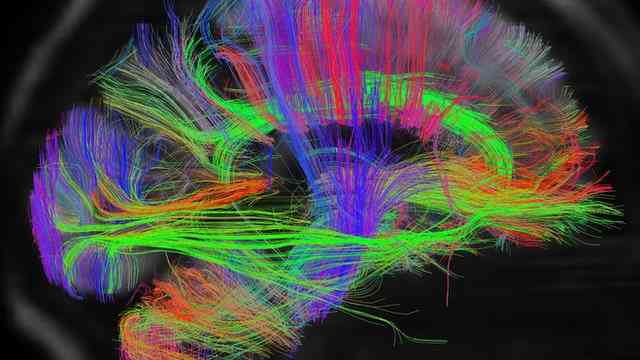
Information sources
Multiple models describe two or three different information sources the brain and mind can use to process information and make decisions. Humans can bias just one of the systems or blend them harmoniously. Neocortex hemisphere theory describes this, and adult attachment science and theory describe it with great detail.
Optimal decision making
The rules of professional conduct for lawyers require a client-centered approach and the ICCM’s focus is on helping lawyers to help clients make their own choices optimally. A key part of lawyering is to function as a counselor, to support optimal decision making. Clients make the best decisions when their emotional and relational needs are as fully supported as possible. Supporting a client with a safe and trusted relationship helps them bring online and harmonize all of the relational, neural, electrical, chemical, and other body systems involved in decision making.
A little more simply
By increasing integration of various body systems, a person reduces the likelihood a single, and potentially suboptimal, brain-body system will dominate decision making, such as the fight-flight-freeze (FFF) system or social danger response system (attachment).
Multiple models and theories
Also, like many current counseling models, the ICCM integrates a variety of perspectives and theories, including Interpersonal Neurobiology (IPNB) and the Dynamic Maturational Model of Attachment and Adaptation (DMM). Both IPNB and the DMM are themselves integrative theories. It also incorporates models such as the Diagnostic Service Manual (DSM), International Classification of Diseases (ICD), Family Systems, Gottman Institute relationship concepts, High Conflict Theory (HCT), and clerical theory.
The ICCM integrates legal-negotiation-mediation theory, including the many works from the Harvard Project on Negotiation (such as Getting to Yes), Gandhi’s nonviolent concepts, and various client-centered theories, including Carl Rogers’ client (or person) centered theory, Binder’s legal client-centered theory, and Transformational Mediation (TM) theory.
The ICCM integrates a variety of motivational, educational, and psychodynamic theories, including Cognitive Behavioral Theory (CBT), Dialectical Behavior Theory (DBT), Cognitive Analytic Theory (CAT), Emotionally Focused Therapy (EFT), Positive Psychology, Schema Therapy, Motivational Interviewing (MI), sports motivation theory, and Attachment Centred Therapy (ACT).
The ICCM integrates research-based models such as the rejection-aggression connection, the Polyvagal Theory (PVT), modern emotion theory described by Affective Neuroscience, and bully and domestic violence research.
Listening is the key skill for any counselor in any discipline. The ICCM integrates a variety of listening models, including active listening, reflective listening, Motivational Interviewing (MI), Nonviolent Communication (NVC), and a variety of mindfulness theories including Mindfulness Based Stress Reduction (MBSR).
The ICCM offers a unique listening model, Integrative Listening. It offers the 10 essential elements of listening. IL is designed specifically to assist with preparing the mind for interviewing in a way which helps the client feel safe and builds trust and rapport. It also offers a tight system for difficult conversations where preventing a conversation from going off the rails becomes challenging.